


Social media has changed the way people build careers. Today, creators can turn an audience on Instagram, TikTok, YouTube and other platforms into a source of income. Some influencers start by sharing everyday content, while others focus on fashion, beauty, fitness, lifestyle, comedy, travel or entertainment.
But how do social media influencers make money?
The answer is not limited to sponsored posts. Successful creators often use several income streams, including brand partnerships, affiliate marketing, subscriptions, digital products and direct support from their audiences.
For people interested in the creator economy, understanding these different income sources offers a clearer picture of how an online following can develop into a professional career.
1. Brand Sponsorships
Brand partnerships are one of the most visible ways influencers earn money.
Companies work with creators because influencers can introduce products to a specific audience in a more personal way than traditional advertising. A creator may be paid to publish a video, photograph, review, story or other piece of sponsored content.
The amount a creator receives can vary significantly. Factors such as audience size, engagement, niche, location, content quality and the type of campaign can all affect a partnership.
However, having a large following does not automatically guarantee high earnings. Brands increasingly look at the quality of an audience and how actively followers interact with content.

2. Affiliate Marketing
Affiliate marketing allows creators to earn a commission when their audience purchases something through a tracked link or referral.
For example, a beauty creator might recommend skincare products and provide an affiliate link. If followers make qualifying purchases through that link, the creator may receive a percentage of the sale.
This model can work particularly well for creators whose content naturally includes product recommendations.
Affiliate income can also continue after the original social media post is published, especially when the content remains searchable or continues receiving views.
3. YouTube Advertising
For creators who produce video content, advertising can become another revenue source.
YouTube allows eligible creators to monetise certain content through its advertising ecosystem. Earnings can depend on factors such as views, audience location, content category and advertiser demand.
Many creators therefore use several platforms rather than relying entirely on one social network.
A creator might use Instagram to build a community, TikTok to reach new viewers and YouTube for longer-form videos.

4. Selling Products
Some influencers eventually create their own products.
These can include clothing, beauty products, accessories, books, digital downloads or other merchandise. Instead of earning only from promoting another company’s product, the creator can build a business around their own brand.
This approach can take considerably more work because the creator may need to deal with product development, marketing, customer service, fulfilment and other business responsibilities.
Nevertheless, it can provide creators with greater control over their brand.
5. Digital Products and Courses
Not every influencer needs a physical product.
Creators with expertise in a particular subject may sell digital products such as guides, templates, educational material, presets or online courses.
For example, a photography creator might offer editing presets, while a business creator could develop educational resources.
The advantage of digital products is that they can often be distributed online without traditional physical inventory.
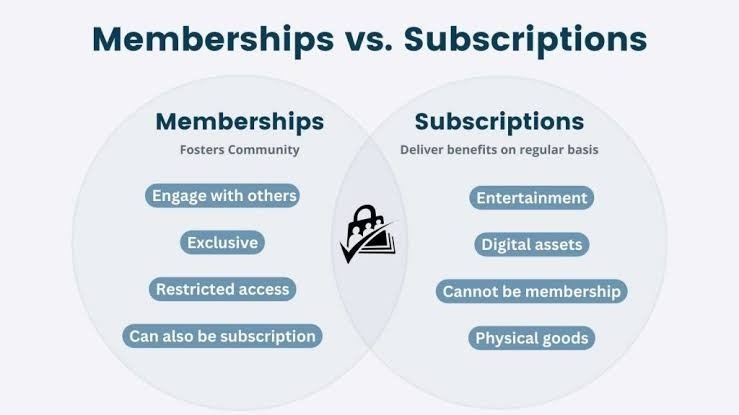
6. Paid Memberships and Subscriptions
Some platforms allow creators to offer exclusive content to paying followers.
Subscribers may receive additional videos, private posts, behind-the-scenes material, livestreams, communities or other benefits.
This model changes the relationship between creator and audience. Instead of depending entirely on advertising or brand partnerships, the creator can receive recurring payments from people who actively want additional content.
However, maintaining subscriptions usually requires creators to consistently provide enough value to justify the ongoing cost.
7. Live Streaming and Audience Support
Live content has become another way for creators to interact directly with their communities.
Depending on the platform, viewers may be able to support creators through tips, gifts, memberships or other platform-specific features.
Live streaming can also strengthen the connection between influencers and followers because the interaction is more immediate than a traditional social media post.
8. Paid Appearances and Events
Established creators may receive opportunities outside social media itself.
These can include event appearances, speaking engagements, collaborations, launches and promotional campaigns.
A creator’s value for an event is not always determined simply by follower count. Their reputation, niche and relationship with a particular audience can also matter.
For influencers who have developed a recognisable personal brand, these opportunities can become an important part of their professional career.
9. Licensing and Content Partnerships
Creators sometimes produce photographs, videos or other material that can be licensed for commercial use.
A brand may want to use creator-generated content in advertising or on its own marketing channels. In such cases, the creator may negotiate payment for the content itself and, depending on the agreement, additional usage rights.
This is another reason professional creators need to understand contracts and the rights associated with their work.
10. Building a Personal Brand
Perhaps the biggest long-term opportunity is turning social media attention into a broader personal brand.
A creator who becomes recognised within a particular niche may eventually develop several businesses or revenue streams.
For instance, a lifestyle influencer could combine brand partnerships, affiliate marketing, a podcast, digital products and their own merchandise.
This diversification can reduce dependence on a single platform.
How Much Do Social Media Influencers Make?
There is no single answer.
Influencer income can range from very small amounts for new creators to substantial business revenue for established personalities. Even creators with similar follower counts can earn very different amounts.
Important factors include:
- Audience engagement
- Content niche
- Platform
- Audience location
- Brand relationships
- Type of content
- Number of income streams
- Ability to convert followers into customers
- Professional reputation
It is also important to distinguish revenue from profit. If a creator earns money from a business, they may still have expenses such as production, employees, equipment, advertising, taxes and platform fees.
Therefore, online claims about an influencer’s “salary” or “net worth” should be treated carefully unless supported by reliable information.
Why Followers Are Not Everything
Follower count is an easy number to see, but it does not tell the whole story.
An influencer with 50,000 highly engaged followers in a specific niche may be more valuable to a particular brand than an account with a much larger but less relevant audience.
Engagement, audience trust and content quality can all influence commercial opportunities.
This is one reason the creator economy includes both micro-influencers and much larger creators.
The Creator Economy Is Still Evolving
Social media platforms continue to change how creators publish content and interact with audiences.
New monetisation features, subscription models, shopping tools and advertising opportunities can create additional ways for creators to earn.
At the same time, influencers face challenges such as changing algorithms, platform dependency, competition and the need to continually produce engaging content.
For anyone considering a career as a creator, building a genuine audience and developing multiple skills may be more valuable than chasing follower numbers alone.
Final Thoughts
Social media influencers make money in many different ways. Brand sponsorships may be the most recognisable income source, but affiliate marketing, advertising, memberships, products, events and digital businesses can all play a role.
The most successful creators often think beyond individual posts and build a recognisable personal brand around their expertise, personality and community.
Ultimately, social media can provide the audience, but turning that audience into a sustainable career requires consistency, trust, creativity and sound business decisions.
Frequently Asked Questions
How do social media influencers make money?
Influencers can earn through brand sponsorships, affiliate marketing, advertising, subscriptions, digital products, merchandise, events and other business activities.
Do influencers get paid for followers?
Not necessarily. Brands may consider follower numbers, but engagement, audience quality, niche and content performance can be equally important.
Can small influencers make money?
Yes. Micro-influencers can earn through smaller brand partnerships, affiliate marketing, digital products and other revenue streams.
Is influencer income the same as net worth?
No. Income is money earned during a particular period, while net worth is a broader measure of assets and liabilities. Online estimates should therefore be treated cautiously.
What is the creator economy?
The creator economy refers to the ecosystem in which independent creators build audiences and earn money through content, partnerships, products, services and digital platforms.
Also read : Lottie Drynan Biography: Age, Height, Husband, Family, Career, Gut Health & Net Worth

